
May 15, 2026 | by Home Fix Interiors
What Is Edge Banding? Why It Is Important in Modern Interiors
Edge banding is a finishing strip used to cover the exposed edges of plywood, MDF, PVC, and WPC sheets to give furniture a smooth and clean finish.
Edge banding is an important finishing process used in modern furniture and modular interiors. It is applied to the exposed edges of plywood, MDF, particle board, or other engineered wood materials to give a clean and finished appearance. In modular kitchens, wardrobes, TV units, and office furniture, edge banding helps improve both durability and overall design quality.
Today, edge banding has become a standard part of factory-made interiors because it provides better protection and a more professional finish compared to unfinished edges.
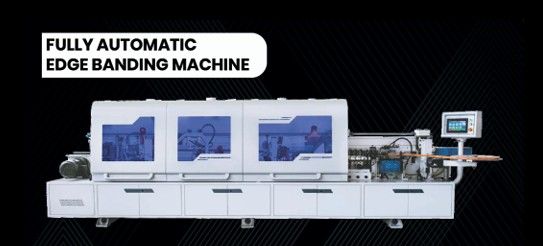
We use a fully automatic edge banding machine.
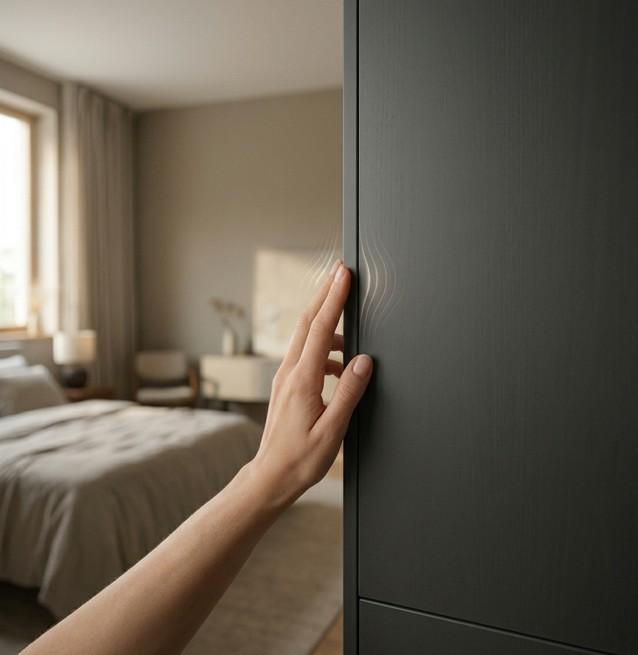
Edge banding is an important finishing process used to cover and protect the exposed edges of plywood, MDF, PVC, and WPC sheets. It helps create smooth edge curves and gives furniture a clean and professional finish. In modular interiors, edge banding also improves durability by protecting edges from moisture, dust, and daily wear.
What Is Edge Banding?
Edge banding is a thin strip of material attached to the exposed sides of furniture panels. It is usually made from PVC, ABS, acrylic, veneer, or melamine and is applied using edge banding machines for accurate finishing.
The main purpose of edge banding is to seal and protect the edges of boards from moisture, dust, and damage while also improving appearance.
Why Edge Banding Is Important
1. Better Appearance
Without edge banding, furniture edges may look rough and unfinished. Edge banding creates a smooth and seamless finish that improves the overall look of modular interiors.
2. Protection from Moisture
Kitchen and wardrobe cabinets are often exposed to humidity and moisture. Edge banding helps protect the core material from water exposure, reducing the chances of swelling or damage.
3. Improved Durability
Properly sealed edges increase the lifespan of furniture by protecting corners and edges from wear and tear during daily use.
4. Safer Edges
Sharp edges can cause minor injuries or damage. Edge banding smooths the edges and makes furniture safer for regular use.
5. Professional Factory Finish
Factory-made interiors use automated edge banding machines that provide accurate and consistent finishing. This creates a premium appearance compared to manual finishing methods.
Where Is Edge Banding Used?
Edge banding is commonly used in:
- Modular kitchens
- Wardrobes
- TV units
- Office furniture
- Study tables
- Storage cabinets
It is an essential part of modern modular furniture manufacturing.
Frequently Asked Questions
What is edge banding used for?
Edge banding is used to cover the exposed edges of plywood, MDF, PVC, and WPC sheets. It improves the appearance of furniture and helps protect the edges from moisture, dust, and damage.
Why is edge banding important in modern modular interiors?
Edge banding gives modular furniture a smooth and professional finish. It also increases durability by sealing the edges and preventing swelling or damage caused by daily use.
Which materials can be edge banded?
Edge banding is commonly applied to plywood, MDF, particle board, PVC sheets, and WPC boards used in modular kitchens, wardrobes, and furniture.
Is machine edge banding better than manual finishing?
Yes. Machine edge banding provides more accurate finishing, smoother curves, and better overall quality compared to manual edge finishing methods.
Does edge banding protect furniture from water damage?
Edge banding helps reduce moisture exposure on the edges of furniture panels. Proper edge sealing improves durability and helps prevent swelling or damage in humid conditions.
Where is edge banding commonly used?
Edge banding is widely used in modular kitchens, wardrobes, TV units, office furniture, storage cabinets, and other factory-made interior products.
How does edge banding improve furniture appearance?
It creates clean, smooth, and seamless edges that give furniture a modern and premium factory finish. It also hides rough board edges for a more polished look.