
Sep 18, 2026 | by Home Fix Interiors
Interior Work Sequence: Should You Do Flooring or Gypsum Ceiling First?
When you start planning your home interior work, one common question is: Which work should come first—floor tiling or gypsum ceiling?
The order of interior work matters more than many homeowners expect. If you complete the flooring too early, later work such as gypsum ceiling installation, electrical work, putty and sanding can create dust, scratches, stains, or even damage to the finished floor.
A well-planned interior work sequence helps the entire project move smoothly and reduces unnecessary rework.
In most cases, it is better to complete the major overhead and dusty work before installing the final floor finish.
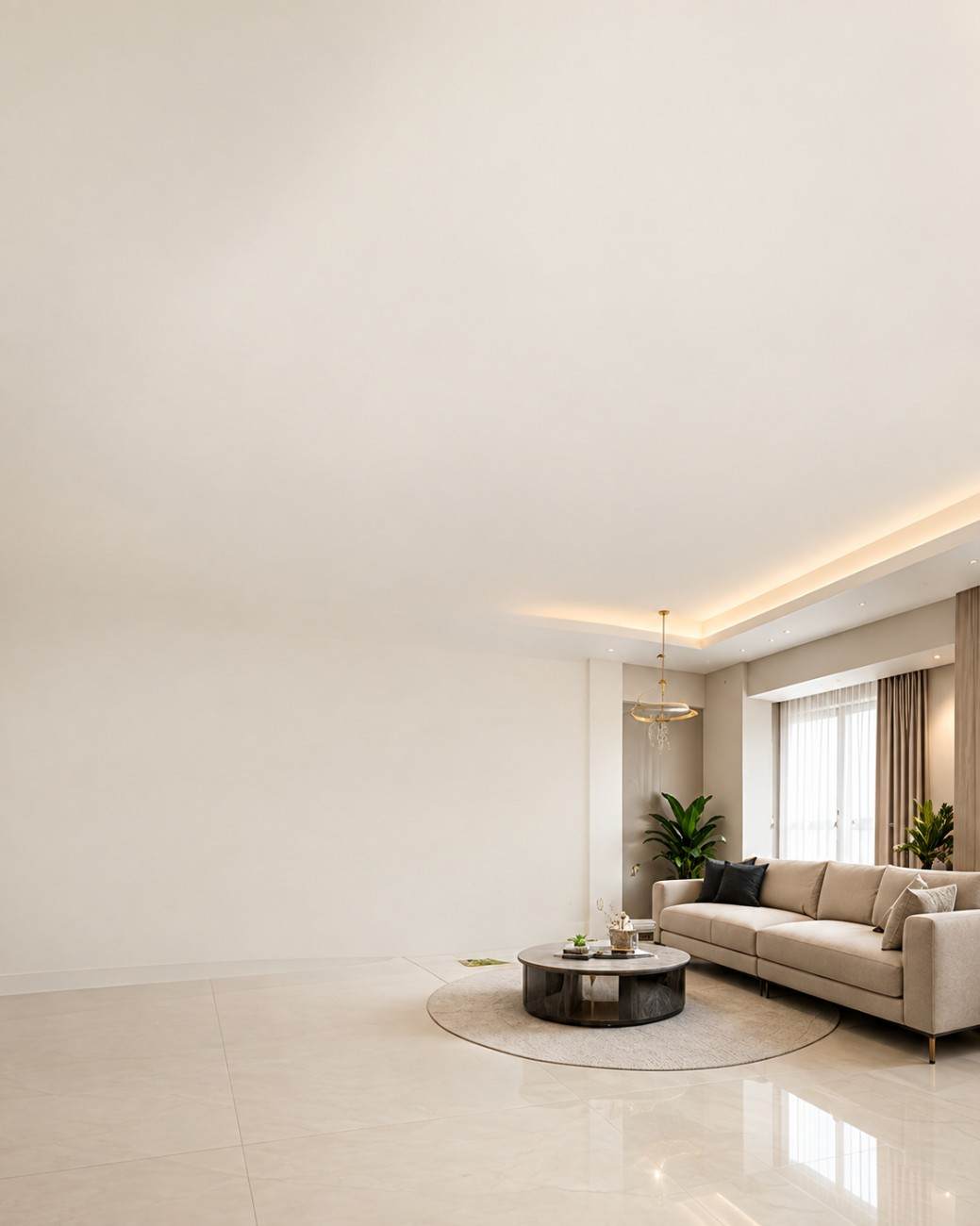
What Is the Right Sequence for Interior Work?
A practical sequence for many home interior projects is:
1. Gypsum ceiling and plastering
2. Electrical wiring and electrical points
3. Fan hooks, lighting points and related work
4. Putty and sanding
5. Floor tiling or final flooring
6. Interior installation and finishing
7. Final cleaning and handover
The exact sequence can change depending on the type of construction, flooring, ceiling and interior work involved. However, following this general approach can help protect completed surfaces and make the finishing process easier.

1. Complete Gypsum Ceiling Work First
Gypsum ceiling work usually involves ladders, tools, cutting, drilling and other installation activities.
If the floor is already finished, these activities can expose it to dust, scratches and accidental impact. Materials and tools may also need to be moved around the room during the ceiling installation.
Completing the ceiling work before the final flooring reduces this risk. This is particularly useful when you are installing a premium tile, marble, wood-look flooring or another finished surface that you want to keep clean and damage-free.
2. Plan Electrical Wiring and Lighting Points
Once the ceiling work is planned, the electrical requirements can be coordinated properly.
Before closing the ceiling, you should plan important points such as:
- Ceiling lights
- Spotlights
- Pendant lights
- Fan points
- Fan hooks
- LED strips
- Cove lighting
- Switch and control requirements
Planning these points before the final finishing stage helps avoid unnecessary cutting or modification later. It is much easier to coordinate electrical work while the ceiling and other related areas are still accessible.
3. Finish Putty and Sanding Before Final Flooring
Putty and sanding can produce a significant amount of fine dust.
If you have already installed your finished flooring, that dust can settle across the surface and make cleaning more difficult. More importantly, workers may need to move ladders, tools and materials across the completed floor while finishing the walls and ceiling.
Completing dusty finishing work first keeps the final flooring stage cleaner. This does not mean that flooring should always be the very last activity in every project. Your contractor should coordinate the sequence based on the complete scope of work.
4. Install the Floor After the Heavy and Dusty Work
Once the major ceiling, electrical and wall-finishing work is complete, the project can move towards the flooring stage.
At this point, there is less heavy work happening above the finished floor.
Installing the floor at the right stage can help reduce:
- Scratches and surface damage
- Dust contamination
- Staining
- Unnecessary cleaning
- Rework caused by other finishing activities
It also gives the team a cleaner surface for the final stages of interior installation.
What Happens If You Do Flooring First?
Here is nothing inherently wrong with installing flooring early in every construction situation. However, doing so without considering the remaining work can create avoidable problems.
For example, imagine that the floor has already been completed. Later, workers arrive to install a gypsum ceiling. They bring ladders, boards, tools and other materials into the room.
After that, putty and sanding work begins.
Now the finished floor has to deal with dust, movement of materials and ongoing site activity.
The flooring may need additional protection throughout the remaining work. If proper protection is not provided, the finished surface can become dirty or damaged.
That is why work sequence should be planned before starting the interior execution, rather than deciding the order after each stage begins.
Why Does the Correct Interior Work Sequence Matter?
A proper sequence is not only about protecting the floor. It helps coordinate different teams and reduces unnecessary interruptions during the project.
It Helps Protect Finished Surfaces
Completing heavy and dusty work before the final floor reduces the chance of accidental damage to completed flooring.
It Makes Dust Management Easier
Dust-producing activities such as sanding can be completed before the final flooring stage, making the final cleaning process more manageable.
It Improves Electrical Planning
Lighting, fan and other ceiling requirements can be planned before the ceiling is completely closed.
It Reduces Rework
When each stage follows a logical order, workers are less likely to damage or modify work that has already been completed.
It Makes Final Cleaning Easier
The final cleaning becomes much easier when most dusty and heavy work has already been completed.
Should Flooring Always Be the Last Work?
Not necessarily.
Every home interior project is different. The sequence can depend on the construction stage, flooring material, ceiling design, furniture installation, electrical requirements and other site conditions.
For example, some flooring work may need to happen earlier for practical construction reasons. In such situations, the completed floor should receive proper protection before other interior activities continue.
So, rather than following one fixed rule for every project, your interior execution team should prepare the sequence according to the actual site conditions.
Should Flooring Always Be the Last Work?
For a typical home interior project, you can remember the process like this:
Ceiling → Electrical → Wall Finishing → Flooring → Interior Installation → Final Cleaning
The important point is not simply to follow these words in the same order on every project. The goal is to coordinate the work so that one completed stage does not get damaged by the next stage.
One Last Thing
Interior work is not only about choosing beautiful materials and designs. The way each stage is planned and executed also affects the final result.
Starting gypsum ceiling and other dusty work before the final flooring can help reduce the risk of floor damage, control dust and make the final finishing process smoother.
Before starting your home interiors, discuss the complete work sequence with your interior execution team. A clear plan can save time, reduce rework and help you achieve a cleaner final finish.